

The facts that matter, and the habits that truly make a difference
February rolls around every year with the same heart health reminders: eat better, exercise more, know your numbers. All good advice, sure. But some of the “common knowledge” floating around about heart health is outdated, oversimplified, or just plain wrong.
At Stellis Health, we’ve heard these myths repeated so many times that it’s time to set the record straight. Because when it comes to your heart, you deserve accurate information that helps you make better decisions, not advice that makes you feel like you’re already failing before you start.
Let’s clear up some of the biggest heart health myths we’re officially done believing.
Myth #1: “You Need an Hour at the Gym Every Day”

The Truth: Movement throughout your day is just as effective as a single workout session.
If you love spending an hour at the gym, that’s fantastic. But if the thought of carving out 60 minutes makes you want to skip exercise altogether, it’s time to reframe what movement means.
Your heart doesn’t care if you move in one chunk or ten.
Taking the stairs at work, parking farther away, doing squats while you wait for coffee, walking around the block after dinner—it all counts.
Breaking up long periods of sitting with short bursts of activity can be just as powerful for your cardiovascular system.
What to do instead: Focus on movement you can sustain. Even 10-minute walks add up. Build activity into your existing routine rather than trying to create a new one from scratch.
Myth #2: “Heart Disease is a Man’s Problem”

The Truth: Heart disease is the number one killer of women, and symptoms often look different.
This myth isn’t just wrong—it’s dangerous.
Heart disease kills more women than all forms of cancer combined. Yet because women’s symptoms don’t always match the “classic” heart attack symptoms we see in movies, problems often go unnoticed.
Women are more likely to experience fatigue, shortness of breath, nausea, jaw pain, or back pain rather than sudden chest pain. These subtler symptoms lead to delays in care.
What to do instead: Know your risk factors. Pay attention to unusual fatigue or shortness of breath. If something feels off, trust your gut and get checked. Our Stellis Health providers take these concerns seriously because early action saves lives.
Myth #3: “Healthy Eating is Expensive and Complicated”

The Truth: Heart-healthy eating can be simple, affordable, and realistic for busy families.
If you’re trying to buy organic everything and follow complicated meal plans, yes, it’s going to feel expensive and exhausting. But eating well for your heart doesn’t require perfection.
Frozen vegetables are just as nutritious as fresh.
Canned beans are a budget-friendly source of protein.
Batch cooking on weekends prevents midweek drive-thru runs.
Small swaps like choosing whole grain bread or water over soda make a real difference.
What to do instead: Start small. Add one more serving of vegetables a day or swap a snack for fruit. Focus on progress, not perfection.
Myth #4: “If My Cholesterol is Normal, My Heart is Fine”
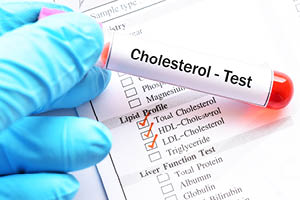
The Truth: Cholesterol is only one part of your heart health story.
Cholesterol numbers matter, but they don’t tell the whole story.
Blood pressure, blood sugar, inflammation, stress, sleep, and family history all play important roles.
You can have normal cholesterol and still be at risk if other factors are out of balance.
What to do instead: Schedule regular checkups that look at the full picture. Talk with your provider about your lifestyle, stress, and family history. Understanding your unique risk factors helps you make informed choices.
Myth #5: “I’m Too Young to Worry About Heart Health”

The Truth: The habits you build early determine your heart health later.
Heart disease doesn’t appear overnight. It develops over years, often decades.
The way you eat, move, sleep, and handle stress in your 20s, 30s, and 40s sets the stage for your 60s and beyond.
What to do instead: Think long-term. The earlier you build healthy habits, the more your future self will thank you. It’s never too late—or too early—to start.
Myth #6: “Heart Problems Always Come with Chest Pain”

The Truth: Many heart issues show up as fatigue, shortness of breath, dizziness, or other subtle symptoms.
The movie version of a heart attack doesn’t tell the real story.
Many people, especially women, experience heart problems that don’t involve dramatic chest pain.
Persistent fatigue, shortness of breath, or discomfort in the jaw, neck, or back can all signal underlying issues.
What to do instead: Notice changes in how you feel, especially if symptoms persist or worsen. If something doesn’t feel right, don’t wait. Early evaluation can save your life. Our Stellis Health team would always rather check something that turns out fine than miss something serious.