

Generic selectors
Exact matches only
Search in title
Search in content
Post Type Selectors
Generic selectors
Exact matches only
Search in title
Search in content
Post Type Selectors
Generic selectors
Exact matches only
Search in title
Search in content
Post Type Selectors

Back-to-School Health Checklist

Share
back to school physical

What Pediatricians Wish Every Parent Did Before School Starts

Back-to-School Health Checklist The backpack hangs by the door. The lunchbox is washed and waiting. The new sneakers finally fit. If your house looks anything like most homes in Buffalo and Monticello right now, you have been checking things off the back-to-school list for weeks. But there is one checklist that matters even more than school supplies. It is your child’s health. Every August, our pediatric and family medicine providers see the same last-minute surprises. Forms that were due yesterday. Vaccines that got missed. A child who cannot see the board but never said a word. The good news is that almost all of these surprises are preventable. This guide walks you through what to do and when to do it, from four weeks out to the first month of school. Think of it as advice from a neighbor who happens to be your child’s healthcare team.

Quick Navigation

Four Weeks Before School

Schedule the Annual Wellness Visit

If you do only one thing on this list, make it this one. The American Academy of Pediatrics recommends a wellness visit every year for children and teens. This visit covers far more than height and weight. Your provider checks vision, hearing, growth, development, mood, and more.

August appointments fill quickly. Calling now gives you the best choice of times. If your child also needs a sports physical, ask about doing both in the same visit.

Check Immunization Records

Minnesota law requires students to be up to date on certain vaccines or have an exemption on file before school starts. There are extra requirements when children enter kindergarten, seventh grade, and 12th grade. Requirements can change, so check with your school district or ask your provider what your child needs.

Waiting until after school starts can mean missed class time and a scramble for records. Getting vaccines done now keeps the first week calm.

Think Beyond the School Vision Screening

School screenings are helpful, but they are quick checks, not full eye exams. They can miss problems with close-up vision, eye teaming, and focus. If your child squints, sits close to screens, gets headaches, or avoids reading, ask about a complete eye exam.
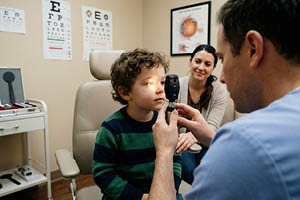
annual wellness visit for kids

Do Not Forget the Dentist

A dental checkup before school means no missed class time later. Tooth pain is a common and often hidden reason kids struggle to focus.

Kindergarten Corner

  • Practice separation with short, happy goodbyes. Confidence grows with practice.
  • Work on bathroom independence, including buttons, zippers, and hand washing.
  • Ask your provider about a full vision check. Many vision problems show up at this age.
  • Confirm kindergarten vaccine requirements early. Some vaccines need more than one dose.

Student Athletes

  • Schedule the sports physical early. Many schools require it before the first practice.
  • Tell your provider about any past concussions, even old ones.
  • If your child has asthma, ask how to manage it during practice and games.
  • Build hydration habits now, before hot August practices begin.

“Families do not need to do everything perfectly. They simply need a plan.”

Two Weeks Before School

Start the Sleep Reset

Summer bedtimes drift late. That is normal. But sleep is one of the biggest factors in how kids learn, behave, and feel. School-age children need nine to 12 hours of sleep each night. Teens need eight to 10 hours.

Move bedtime earlier by 15 minutes every few nights. By the first day of school, your child’s body clock will be ready.

Handle Medications and Refills

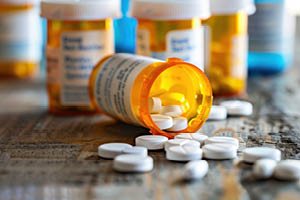
Check every medication your child takes, including inhalers and allergy medicines. Look at expiration dates. Epinephrine injectors and inhalers expire faster than many parents expect. Request refills now so you are not calling the pharmacy on the first day of school.

Complete School Health Forms

If your child takes medication at school, the school needs a signed authorization form. Children with asthma, food allergies, seizures, or diabetes also need an updated action plan. Your provider can complete these forms during the wellness visit if you bring them along.
Talk About Feelings

Ask your child what they are excited about and what they are nervous about. Some back-to-school jitters are completely normal. Naming worries out loud often shrinks them. Keep these chats short, casual, and pressure-free. Car rides work great.

Children with Chronic Medical Conditions

  • Update the asthma, allergy, diabetes, or seizure action plan with your provider.
  • Deliver medications and action plans to the school nurse before the first day.
  • Make sure teachers and coaches know the basics of your child’s plan.
  • Put a reminder on your calendar to refill school medications during the year.

Middle School

  • Watch mood and stress. Big school changes can stir up big feelings.
  • Set screen time rules now, especially at bedtime. Phones out of the bedroom helps sleep.
  • Help your child practice using a planner or checklist for assignments.
  • Confirm the seventh grade vaccine requirements are complete.

One Week Before School

Practice the Morning Routine

Do a trial run. Wake up at school time, eat breakfast, and get out the door. A practice morning takes the stress out of the real one.

Plan Simple, Healthy Lunches

Aim for a protein, a fruit or vegetable, and a whole grain. Let your child help choose. Kids eat more of what they pick themselves. Send a water bottle every day. Well-hydrated kids focus better.

Check the Backpack

A loaded backpack should weigh no more than about 10 to 20 percent of your child’s body weight. Use both shoulder straps and place heavy items closest to the back.

Build Healthy Habits

Practice good hand washing. Twenty seconds with soap, about the time it takes to sing the happy birthday song twice. Remind kids to cover coughs and keep hands away from their faces. These small habits prevent many missed school days.


Elementary School

  • Watch for reading struggles. Sometimes the real problem is vision, not effort.
  • Keep bedtime consistent, even on weekends.
  • Pack lunches together the night before to save morning stress.
  • Ask your child to show you how they wash their hands. Make it a game.

“Small healthy habits today can create lifelong benefits.”

The Night Before School

Keep it simple and calm. Lay out clothes, pack the backpack, and prep breakfast. Aim for lights out at the school-year bedtime. Skip screens for at least an hour before bed.

Most of all, end the night with encouragement. A short talk about what your child is looking forward to sets a positive tone for the morning.

Quick Wins: Things You Can Do Today in Under 10 Minutes

  • Call to schedule your child’s wellness visit.
  • Check expiration dates on inhalers and epinephrine injectors.
  • Print or download your school’s medication authorization form.
  • Move bedtime 15 minutes earlier tonight.
  • Add a water bottle to the backpack.

The First Month of School

The checklist does not end on day one. The first month is when hidden issues often show themselves. Keep an eye out for:

  • Squinting or headaches. These can signal a vision problem.
  • Frequent stomachaches. Especially on school mornings, these can point to anxiety or constipation.
  • Trouble falling asleep or waking up. Sleep problems affect learning and mood.
  • Big mood changes. Withdrawal, irritability, or tears that do not fade deserve attention.
  • Homework battles. Ongoing struggles can point to vision, hearing, attention, or learning concerns.

Normal jitters fade within a few weeks. If worries grow instead of shrink, or your child avoids school, reach out to your provider. You do not need to figure it out alone.

High School

  • Teens still need yearly wellness visits, even when they seem healthy.
  • Give your teen private time with their provider. It builds trust and honesty.
  • Watch stress levels as classes, sports, and jobs stack up.
  • Talk about safe driving before the school-year rush begins.
  • For teens who menstruate, the wellness visit is a good place to discuss heavy or painful periods.

“Preparing today often prevents problems tomorrow.”

Myth vs. Fact

Myth: A sports physical replaces the annual wellness visit.

Fact: A sports physical focuses only on safety for sports. The wellness visit covers growth, development, mood, vision, hearing, and vaccines. Your child needs both, and often they can happen in one appointment.

Myth: The school vision screening means my child’s eyes are fine.

Fact: School screenings catch some problems but miss others. A full eye exam looks much deeper.

Myth: Vaccines can wait until after school starts.

Fact: Minnesota schools require records before or at the start of the year. Waiting can mean missed school days.

Myth: My child would tell me if something hurt or looked blurry.

Fact: Kids often think what they feel or see is normal. They rarely report gradual changes. That is why checkups matter.

Myth: School anxiety always goes away on its own.

Fact: Mild jitters usually fade. Anxiety that grows, lasts beyond a few weeks, or causes school avoidance deserves support.

Five Things Pediatricians Wish Every Parent Knew

  1. The yearly wellness visit is the single best tool for catching problems early.
  2. Sleep affects grades, mood, and behavior more than almost anything else.
  3. Kids rarely announce vision, hearing, or emotional struggles. Providers know how to find them.
  4. School forms go faster when you bring them to the appointment.
  5. No question is too small. If something worries you, it is worth a conversation.

Questions Parents Forget to Ask

Bring this list to your child’s next visit:

  • Is my child’s growth on track?
  • Could vision or hearing be affecting schoolwork?
  • Is this much screen time okay?
  • How much sleep does my child really need?
  • Are these headaches or stomachaches something to watch?
  • Is my child’s picky eating normal?
  • When should we worry about attention or focus?
  • What vaccines are coming up in the next year?

When to Call Your Provider

Call your provider if your child:

  • Complains of headaches, blurry vision, or trouble seeing the board
  • Has stomachaches most school mornings
  • Shows worry or sadness that lasts more than a few weeks
  • Avoids school or begs to stay home
  • Struggles with focus, behavior, or learning
  • Snores loudly or fights sleep every night
  • Needs school forms, action plans, or medication refills

Stellis Health offers same-day and next-day appointments, so help is never far away.

Frequently Asked Questions

When should I schedule my child’s back-to-school physical?

Aim for four to six weeks before school starts. Summer appointments fill fast, so earlier is even better. If school has already started, do not skip it. A wellness visit is valuable any month of the year.

Is a sports physical the same as an annual physical?

No. A sports physical clears your child to play safely. An annual wellness visit checks total health, including growth, development, vaccines, vision, hearing, and mood. Ask your provider about completing both in one visit.

What vaccines does my child need for school in Minnesota?

Minnesota requires certain vaccines for all students, with added requirements at kindergarten, seventh grade, and 12th grade. Your school district and your provider can tell you exactly what your child needs.

How much sleep does my child need for school?

School-age children need nine to 12 hours each night. Teens need eight to 10 hours. Consistent bedtimes matter just as much as total hours.

How do I know if my child’s school anxiety is normal?

Some nervousness before a new school year is healthy and normal. It usually fades within a few weeks. If worry grows, disrupts sleep, causes daily stomachaches, or leads to school refusal, talk with your provider.

What should I do if my child takes medication during school hours?

Most schools require a signed medication authorization form from your provider. Bring the form to your child’s appointment and deliver the medication to the school in its original container.

My teen seems healthy. Do they still need a checkup?

Yes. The teen years bring rapid changes in body, mood, and habits. A yearly visit also gives your teen a trusted adult to talk with privately.

Printable Back-to-School Health Checklist

Print this page or save it to your phone.

Four Weeks Before School

☐  Schedule the annual wellness visit

☐  Schedule the sports physical, if needed

☐  Review immunization records and schedule any needed vaccines

☐  Schedule a dental checkup

☐  Schedule an eye exam if you have any vision concerns

Two Weeks Before School

☐  Begin moving bedtime earlier

☐  Refill medications and check expiration dates

☐  Complete medication authorization forms

☐  Update asthma, allergy, or other action plans

☐  Talk with your child about the new school year

One Week Before School

☐  Practice the full morning routine

☐  Plan simple, healthy lunches and snacks

☐  Check backpack weight and fit

☐  Practice hand washing habits

☐  Deliver medications and forms to the school nurse

The Night Before

☐  Lay out clothes and pack the backpack

☐  Screens off one hour before bed

☐  Lights out at the school-year bedtime

☐  End the night with encouragement

The First Month

☐  Watch for squinting, headaches, or stomachaches

☐  Keep sleep and meal routines steady

☐  Check in about friendships and feelings

☐  Call your provider with any concerns

You Are More Ready Than You Think

Deep breath. You do not have to do all of this in one day, and you do not have to do it perfectly. A few simple steps, taken a little at a time, can help your child start the school year healthy, confident, and ready to learn.

And you are not doing it alone. For more than 75 years, the providers at Stellis Health have helped Wright County families get ready for moments just like this one. We are not just your healthcare team. We are your neighbors.

If your child is due for a wellness visit, needs school or sports forms completed, or you simply have a question, we are here to help. Same-day and next-day appointments are often available at our Buffalo and Monticello clinics.

Call 763-682-1313 or schedule your child’s back-to-school visit today online by clicking here.

New this year: our Monticello Urgent Care location is offering weekend well-child checks for school-age and college students (no infants, toddlers, or preschool) through the end of September. A dedicated provider will be on-site, and appointments can be scheduled in advance. This is a great option if your weekdays are packed as the new school year ramps up.

Shellis Health Logo
Generic selectors
Exact matches only
Search in title
Search in content
Post Type Selectors